
In today's business landscape, many companies are recognizing the importance of supplier diversity. It is no longer just a buzzword, but a vital aspect of any organization's growth and success.
Supplier diversity can be defined as the practice of sourcing products and services from diverse suppliers owned by underrepresented groups such as minority-owned, women-owned, LGBT-owned, veteran-owned, and small businesses. This not only promotes inclusivity but also benefits the company in various ways. In this blog post, we will explore the advantages of supplier diversity and provide implementation tips for organizations looking to incorporate it into their business strategies.
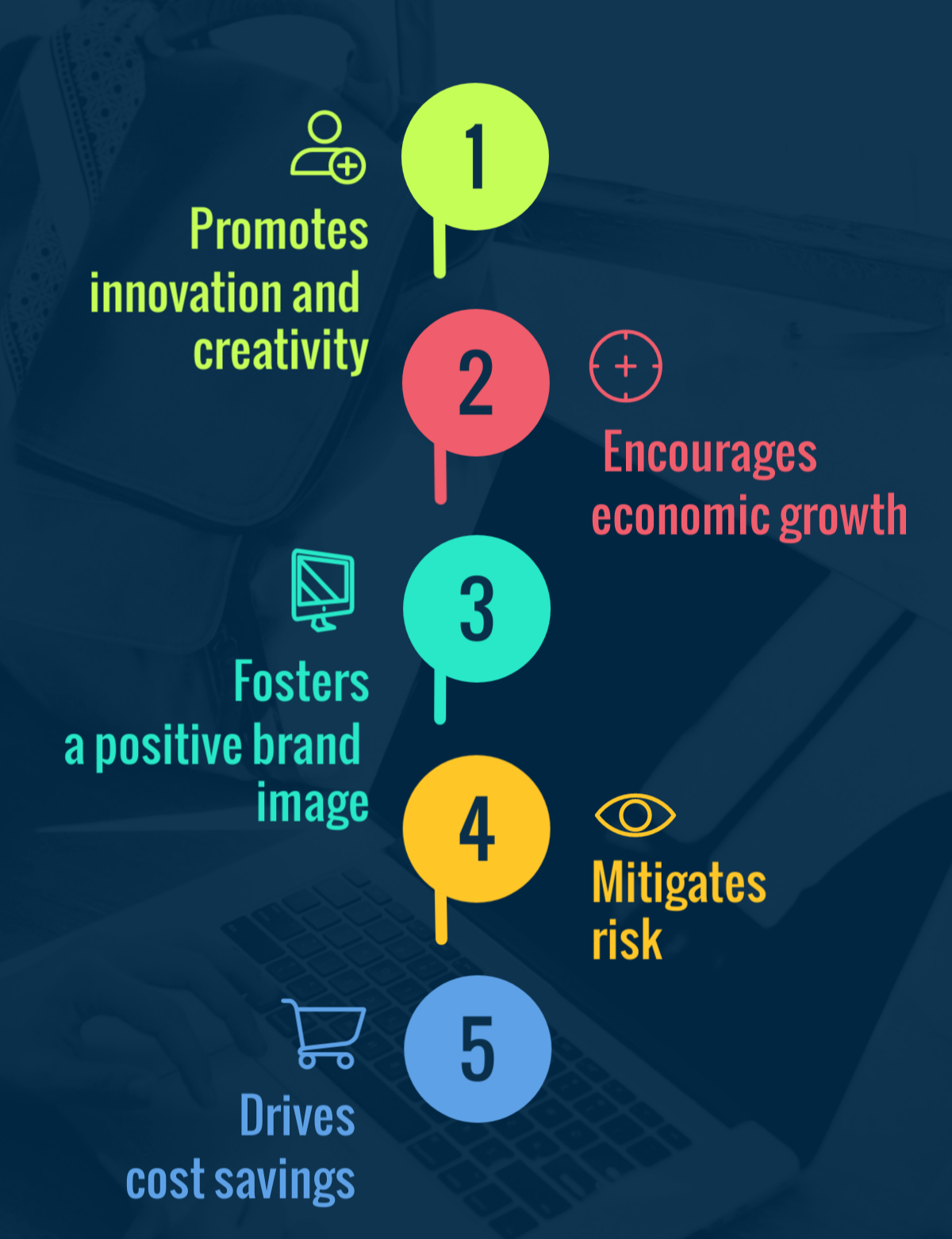
Advantages of Supplier Diversity
1. Promotes innovation and creativity
One of the main advantages of supplier diversity is that it brings fresh ideas and perspectives to the table. By working with diverse suppliers, companies can tap into different backgrounds, cultures, and experiences which can lead to innovative solutions for their products or services. This not only helps in staying ahead of competitors but also opens up new markets and customer bases.
2. Encourages economic growth
Supplier diversity plays a significant role in boosting the economy by supporting small and underrepresented businesses. These businesses often struggle to compete with larger corporations, but through supplier diversity initiatives, they are given a fair chance to thrive. This not only creates job opportunities but also helps in building stronger communities.
3. Fosters a positive brand image
In today's socially conscious world, consumers are more likely to support companies that demonstrate a commitment to diversity and inclusivity. By implementing supplier diversity practices, organizations can enhance their brand image and reputation, resulting in increased customer loyalty and trust.
4. Mitigates risk
Having a diverse pool of suppliers reduces the risk for businesses as they are not relying on a single source for their products or services. In case one supplier fails or faces challenges, there are other options available to ensure business continuity. This also reduces the impact of disruptions and creates a more resilient supply chain.
5. Drives cost savings
Working with diverse suppliers can often result in cost savings for businesses. These suppliers may offer competitive pricing or provide specialized services that larger corporations may not be able to offer at the same rate. Additionally, supplier diversity can also lead to improved efficiency and productivity, resulting in cost savings for the company.
the real potential of online learning versus traditional classes.
Created with